
As always, when releasing a Top 10 list, we want to focus on the pros and cons of campus competitions. We are aware that competitions often don’t incentivize the types of system change we need to turn the tide on the ever-growing production of single-use disposable plastics and the demands to build systems that effectively reduce consumption at the systemic level. Campuses often use competition platforms that don’t call for systemic changes as a method of greenwashing their overall sustainability efforts by highlighting an objectively small accomplishment in the grand scheme of their overall sustainability efforts. However, we believe that PLAN’s assessment framework focuses on systemic impacts. For more information and the full self-reflection on this topic, please see our first Top 10 Announcement from 2021. Without further ado, read on for profiles of this year's Top 10 Zero Waste Campuses!
To learn more about the Atlas Zero Waste Certification process, explore the Atlas Stage 1 webpage and the Program FAQ's. If you have any questions or would like to set up an inquiry call to learn more, please reach out to us at atlas@postlandfill.org.

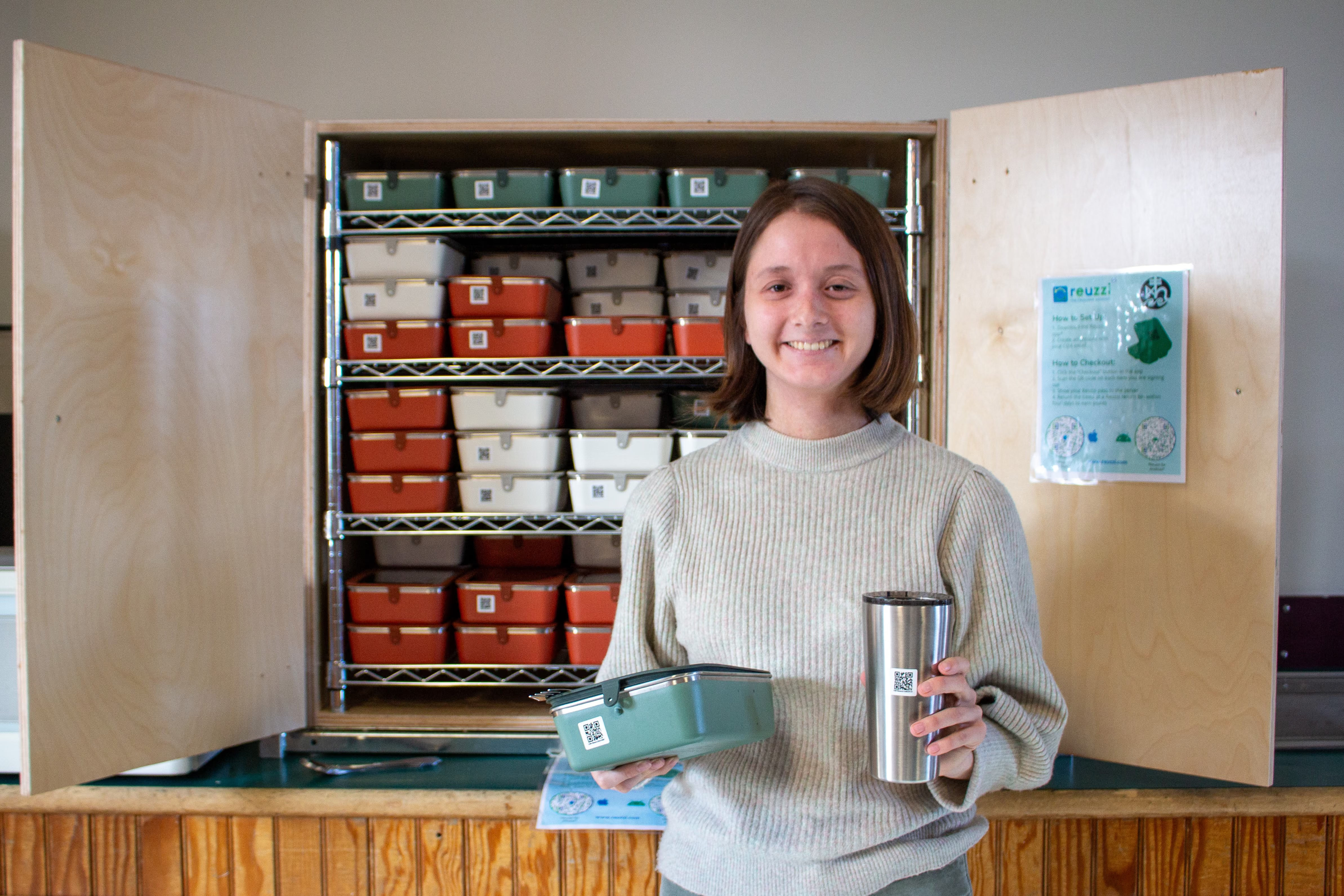
Left: Students at a campus climate rally; Right: Linnea Goh ‘25 showcasing the reusable to-go program that she helped launch. CoA is the first campus to eliminate all disposables in their dining operations through the implementation of this program.
Bar Harbor, ME I 350 students I Private | COA’s full Atlas Zero Waste Scorecard
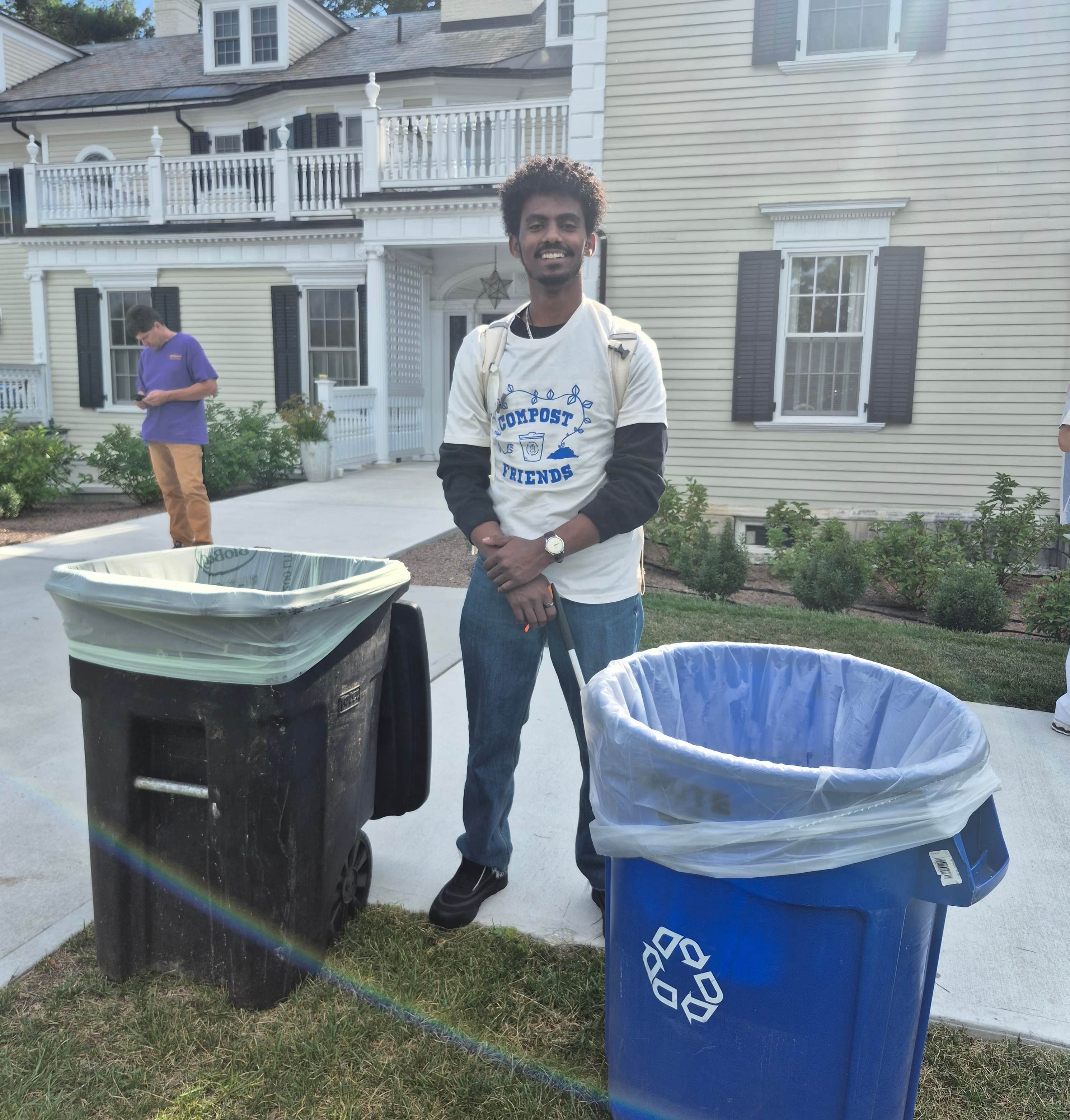
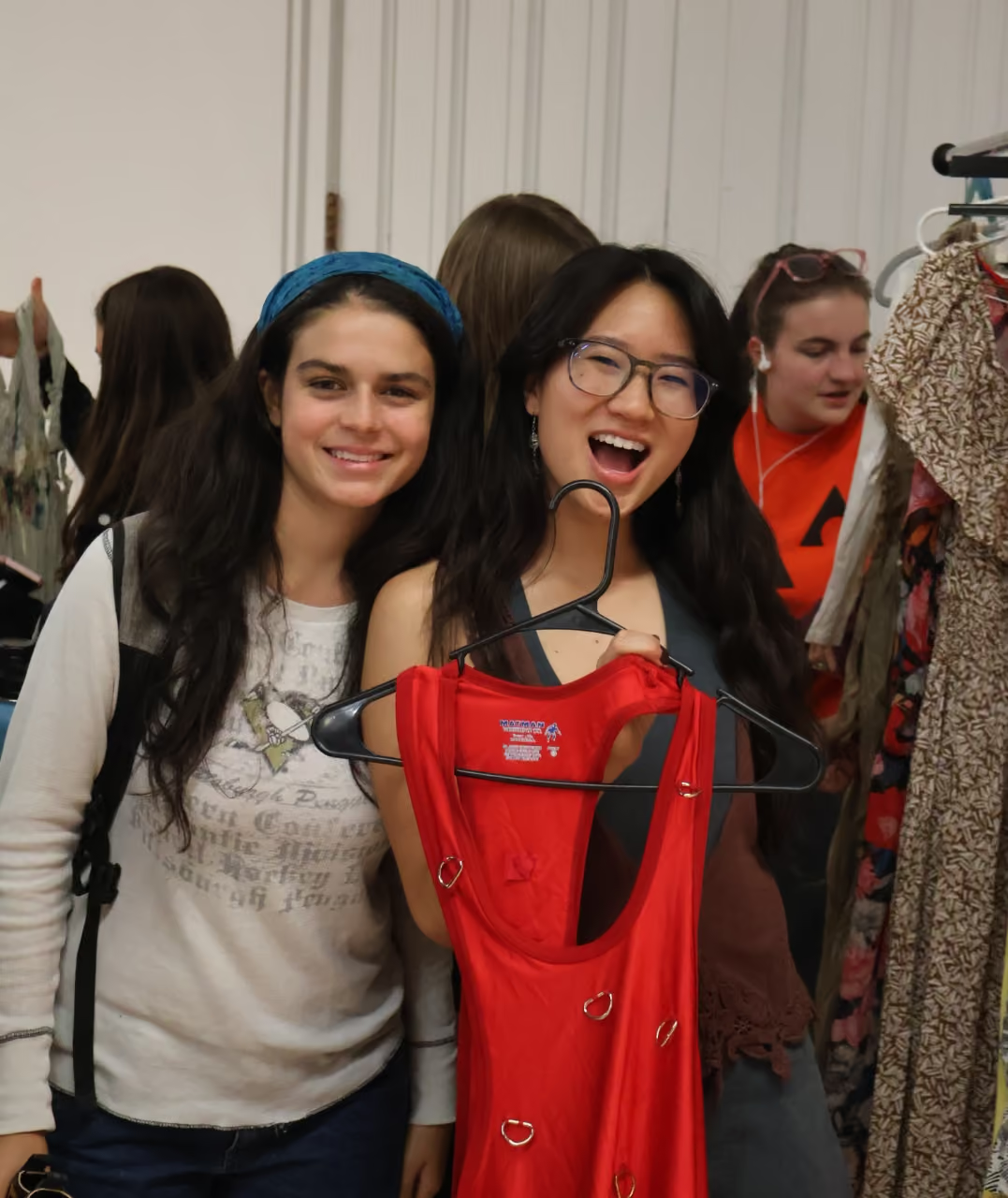
Left: Students participating in “Compost Friends,” the College’s peer-to-peer education program to help the campus community sort their waste into the proper bin. Right: Students at the College’s annual Halloween costume swap event to encourage students to reuse/donate their old costumes and source new ones second-hand.
Williamstown, MA I 2,152 students I Private | William's full Atlas Zero Waste Scorecard
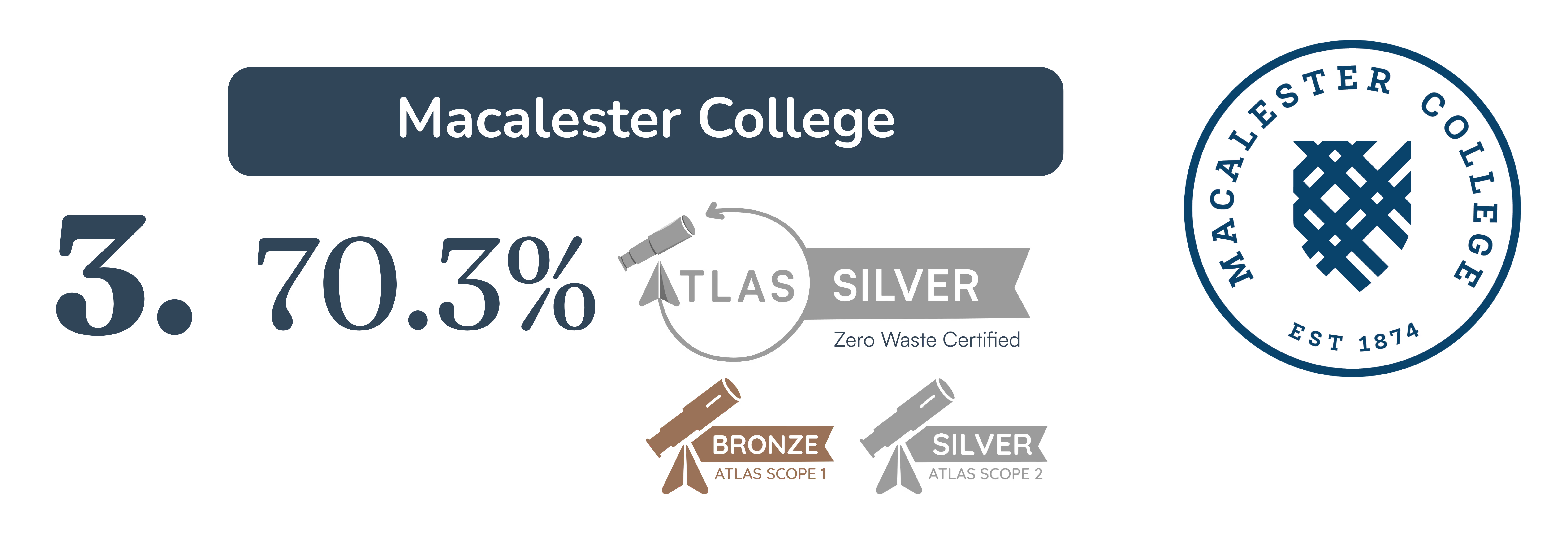
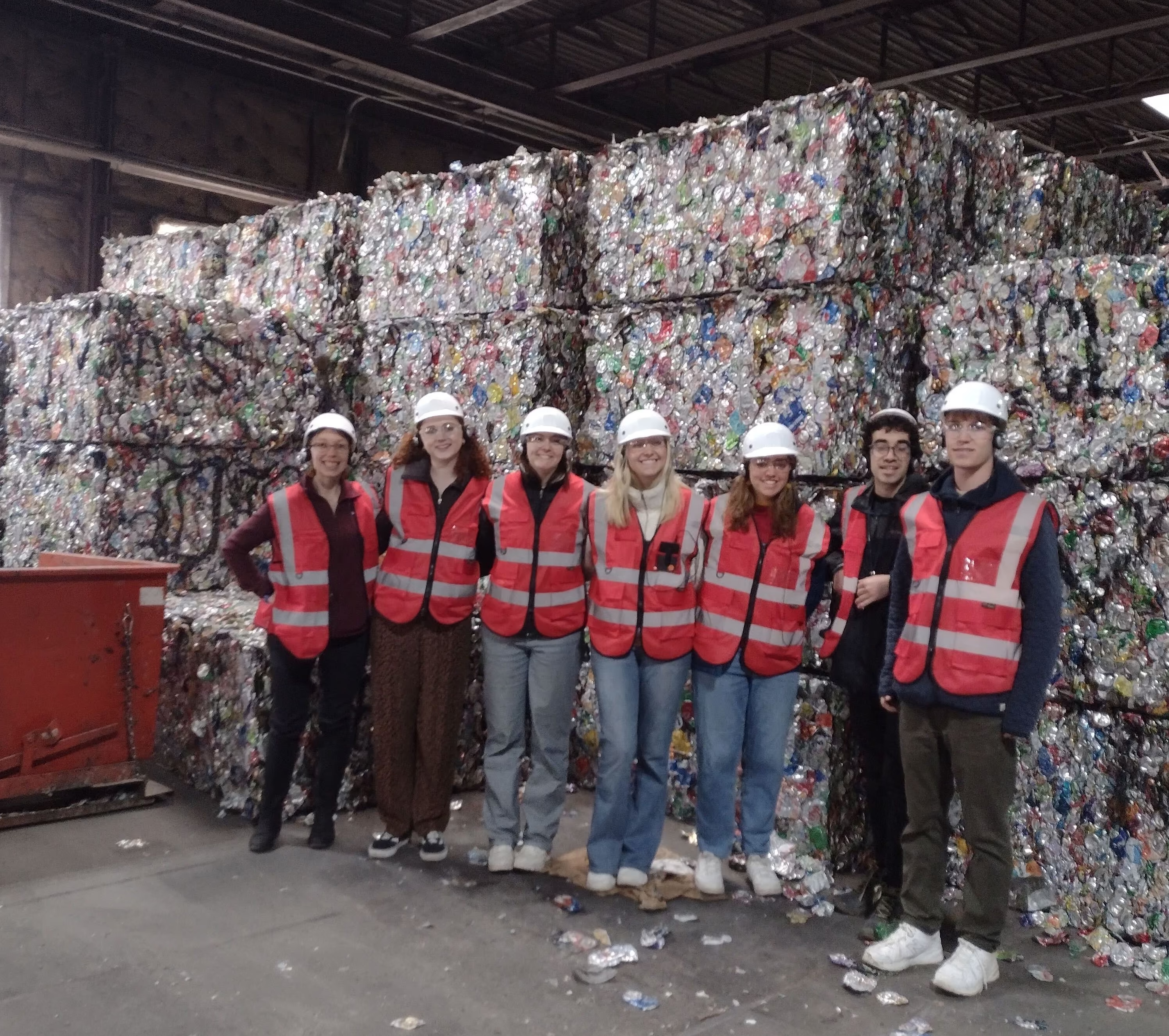
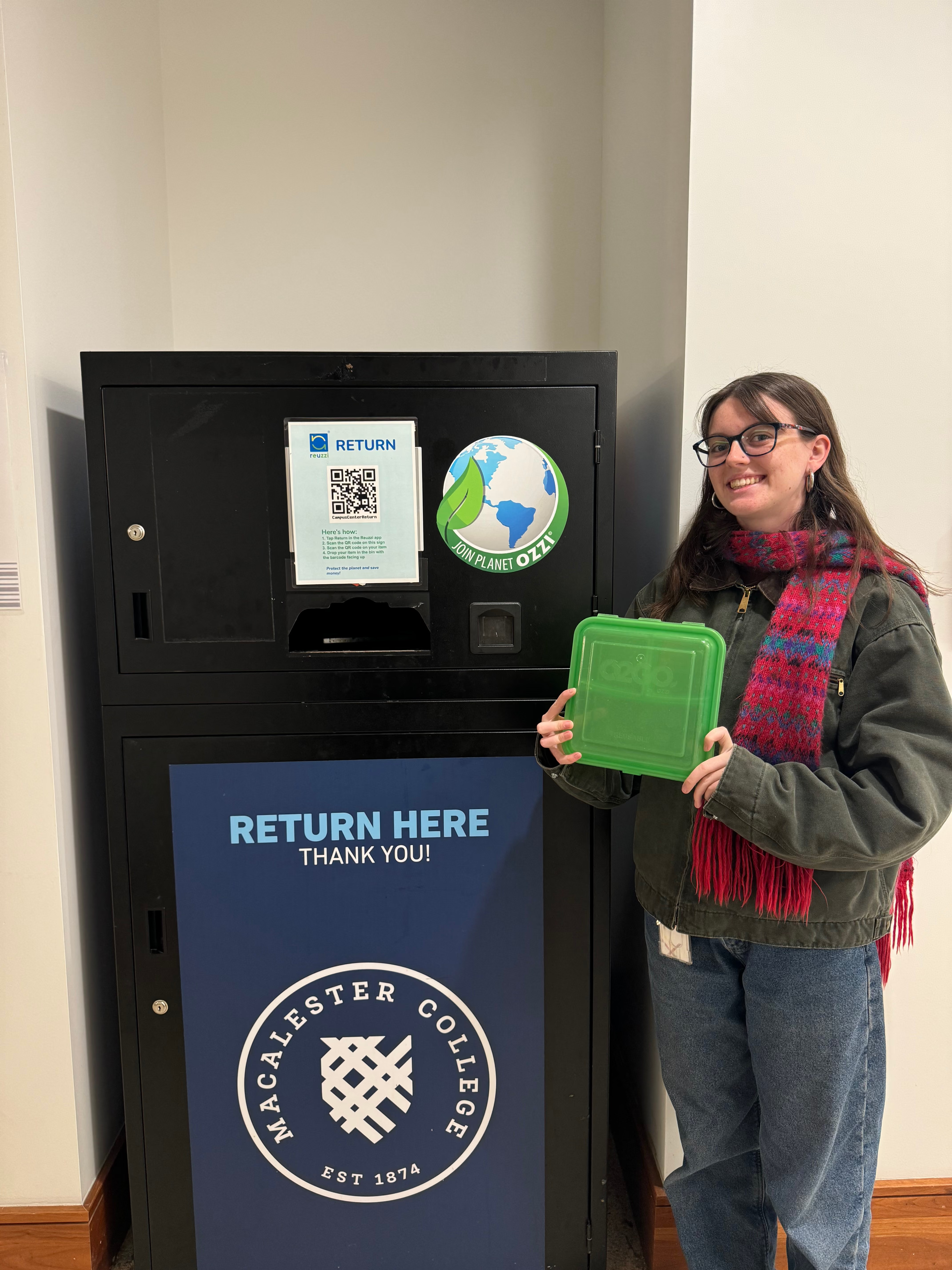
Left: Students touring their local Material Recovery Facility (MRF) at Eureka Recycling in St. Paul. Right: Abby White ‘26, one of Macalester’s many student fellows to have worked on the College’s Zero Waste Action Plan showcasing the successful reusable to-go program!
Saint Paul, MN I 2,068 students I Private | Macalester's full Atlas Zero Waste Scorecard


Left: New educational signage at the Trailhead Café to help the community sort their discarded materials, Right: Screenshot of ESF’s Resource Exchange, a one stop shop showing all surplus property available for reuse on campus
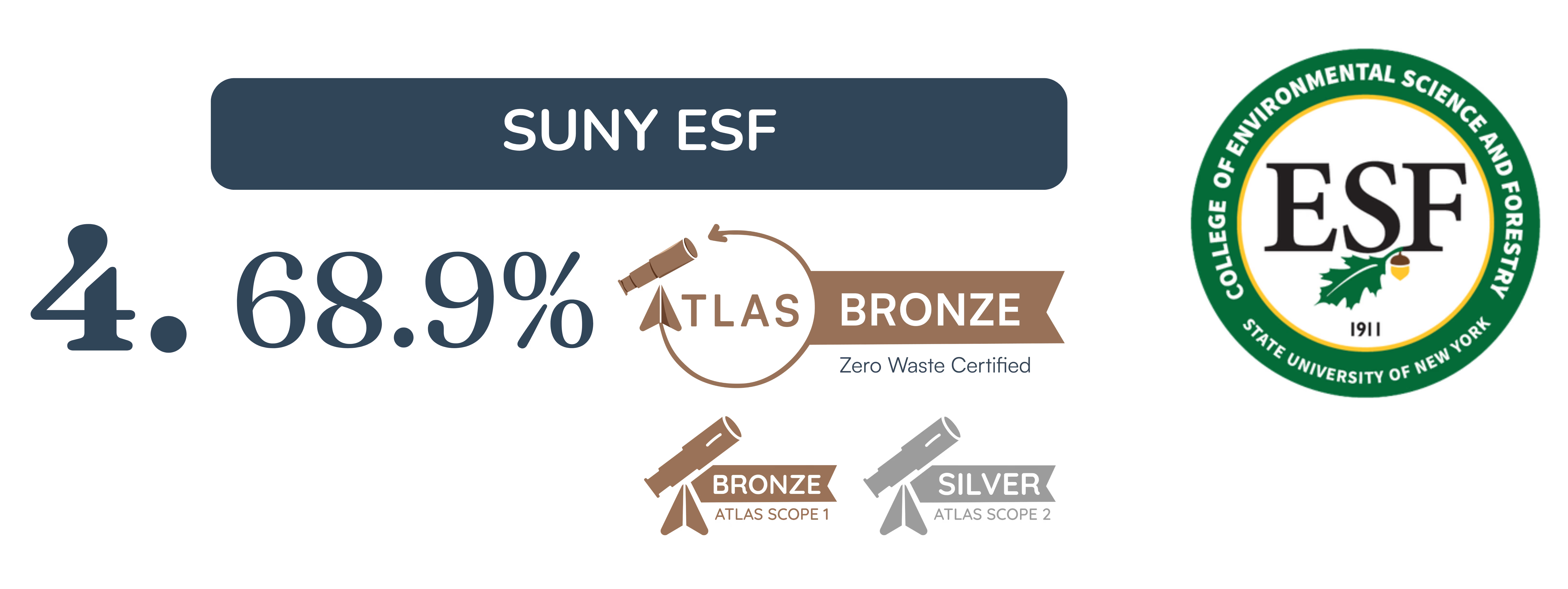
Syracuse, NY I 2,082 students I Public | SUNY ESF's full Atlas Zero Waste Scorecard


Left: Students conducting a Waste Audit in August 2018; Right: Chou Hall Zero Waste Initiative tabling
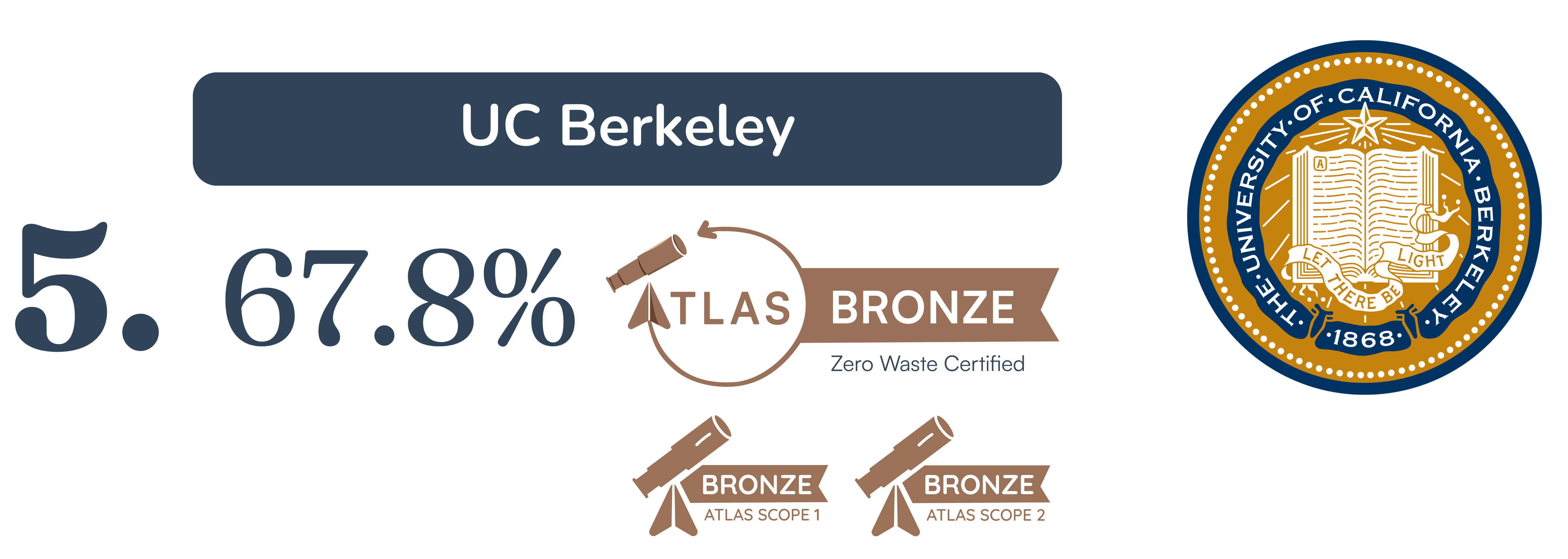
Berkeley, CA I 41,900 students I Public | UC Berkeley’s full Atlas Zero Waste Scorecard


Left: Students staff bins at events to help attendees reduce waste. Right: Residents get help keeping donatable goods, compost and recycling out of the landfill during move-out
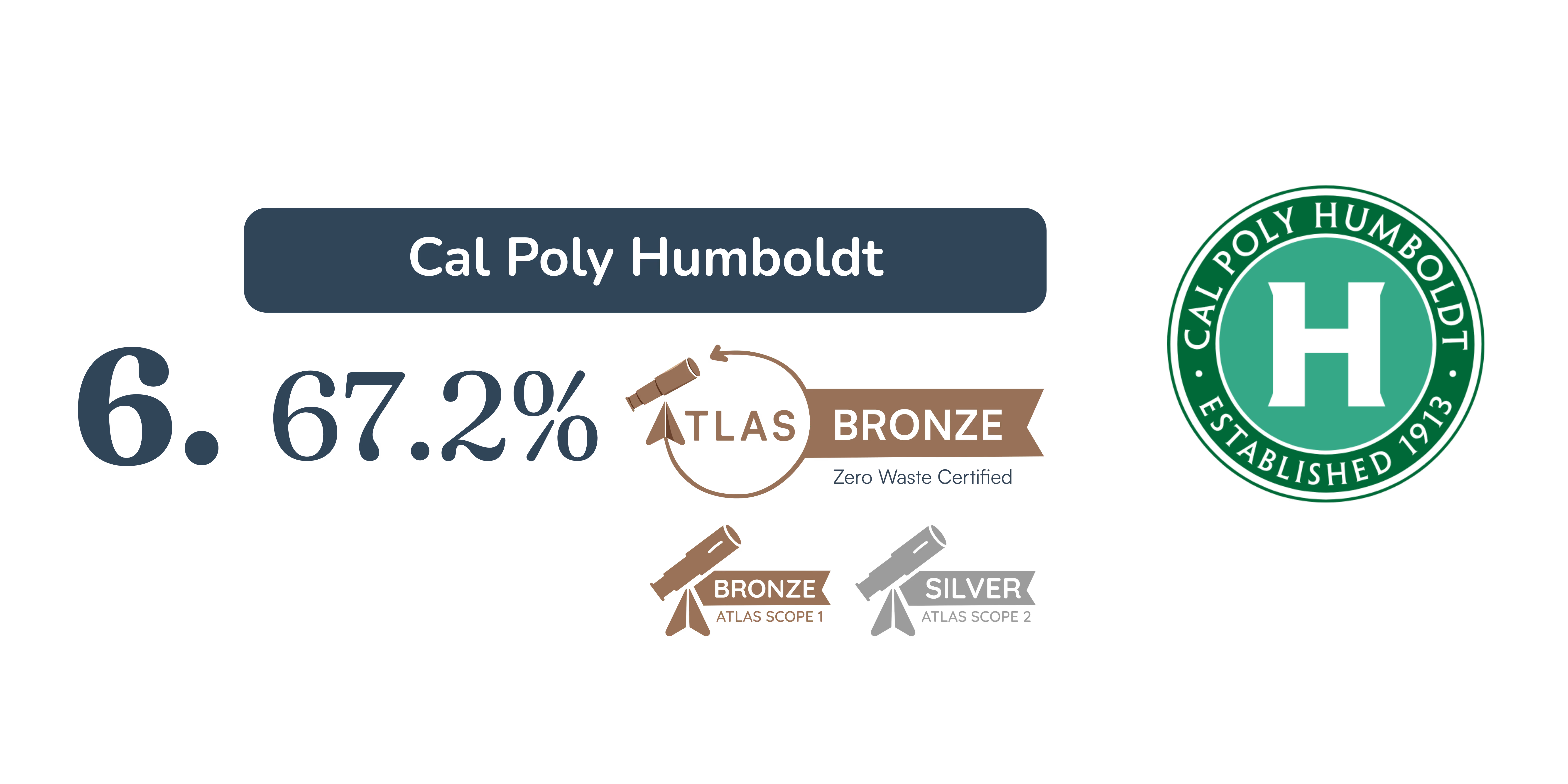
Arcata, CA I 5,336 students I Public | Cal Poly's full Atlas Zero Waste Scorecard
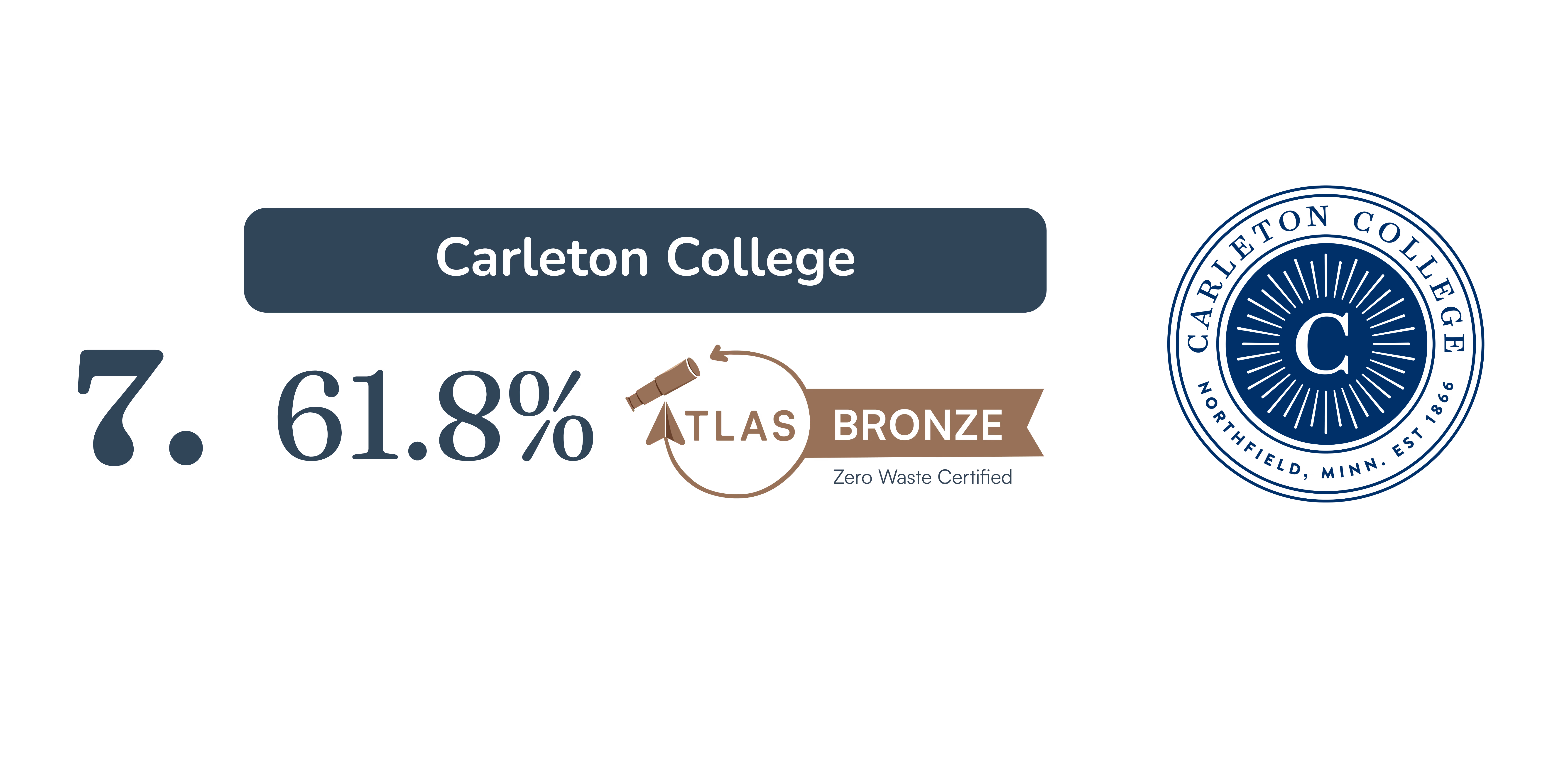


Left: Signs from the No Impact Challenge, where students carried around their waste for a week! Right: Students show off their stainless steel reusable mugs
Northfield, MN I 2,000 students I Private
Carleton College doesn’t have a scorecard because their assessment was performed as part of Atlas Zero Waste’s pilot program, prior to the development of the scorecard. Scope 1 & 2 were not assessed during the early pilot phase of Atlas.
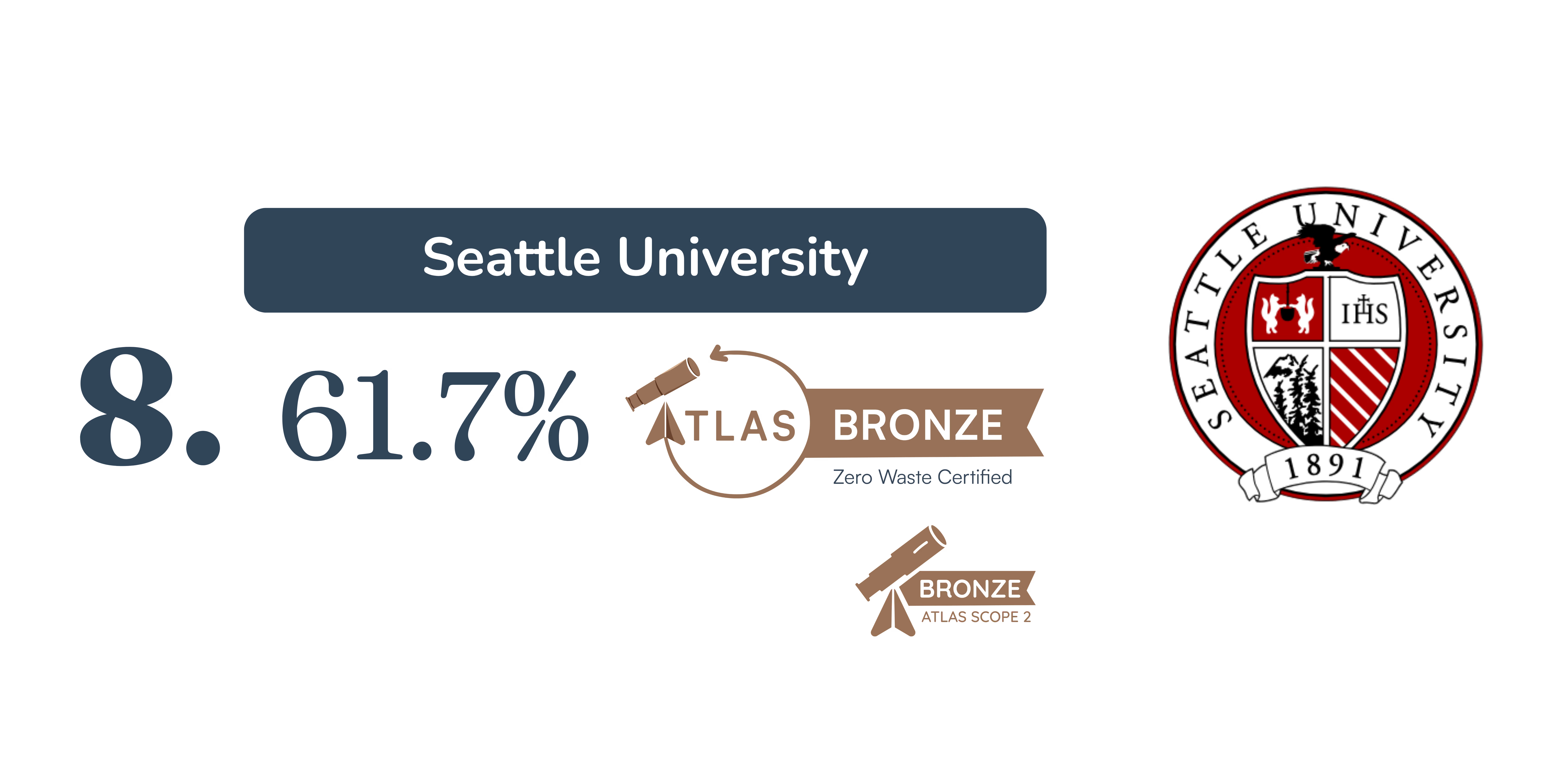


Left: Weigh the Waste Event; Right: SU Recycling Team
Seattle, WA I 7,500 students I Private | Seattle U's full Atlas Zero Waste Scorecard
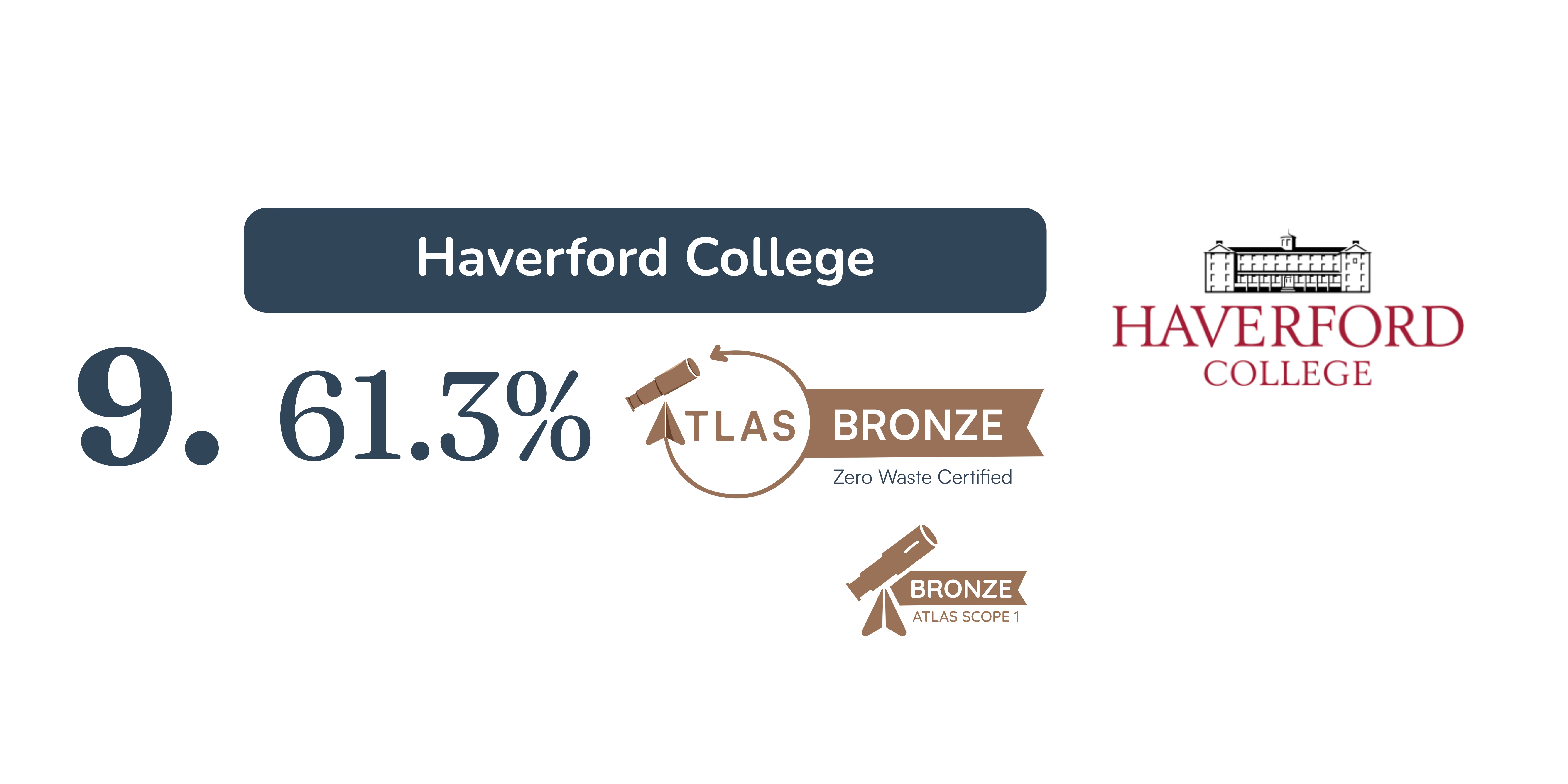


Left: HaverFarm stand on campus; Right: Haverford’s (Re)use store
Haverford, PA I 1,300 students I Private | Haverford’s full Atlas Zero Waste Scorecard
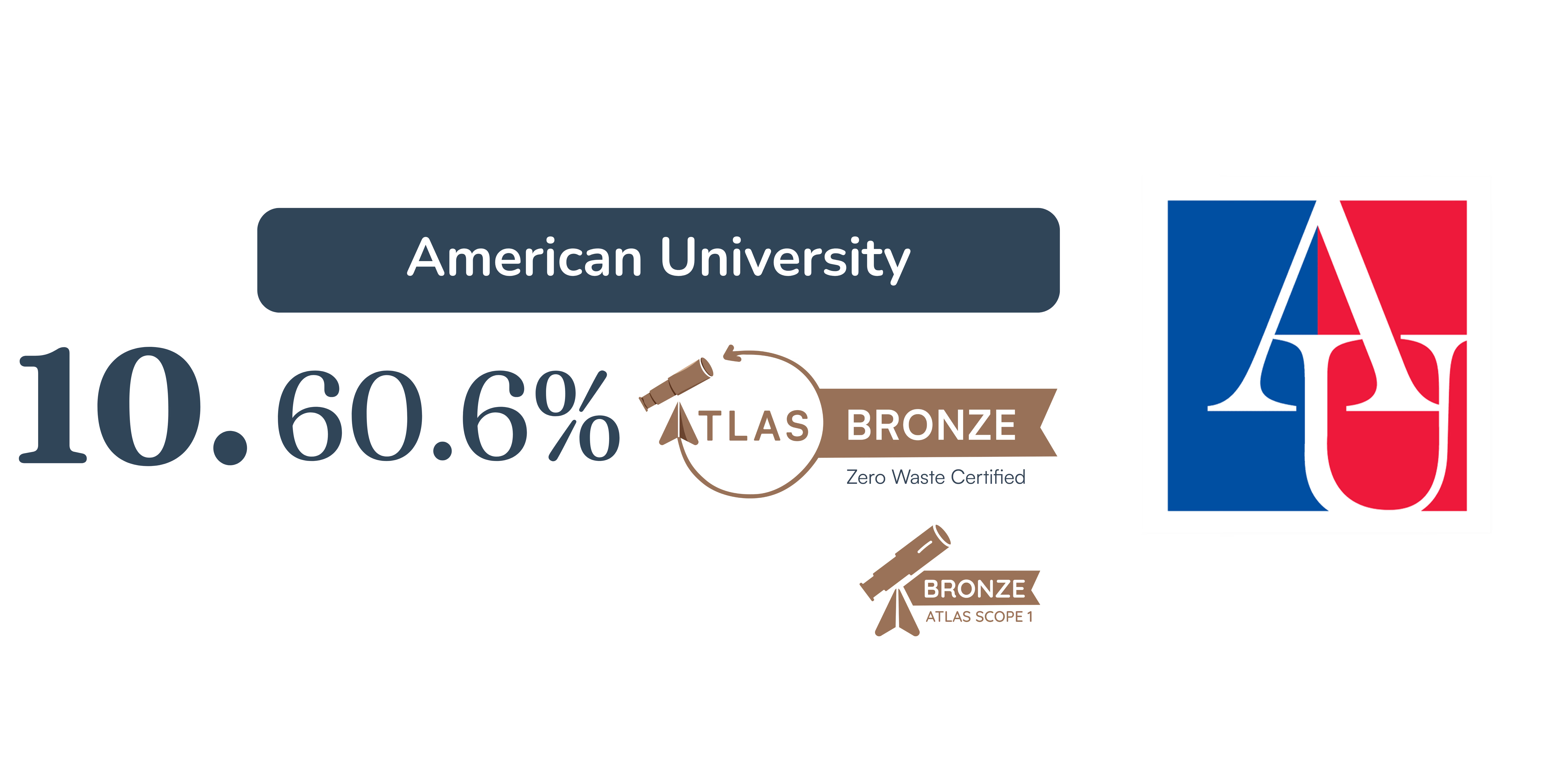
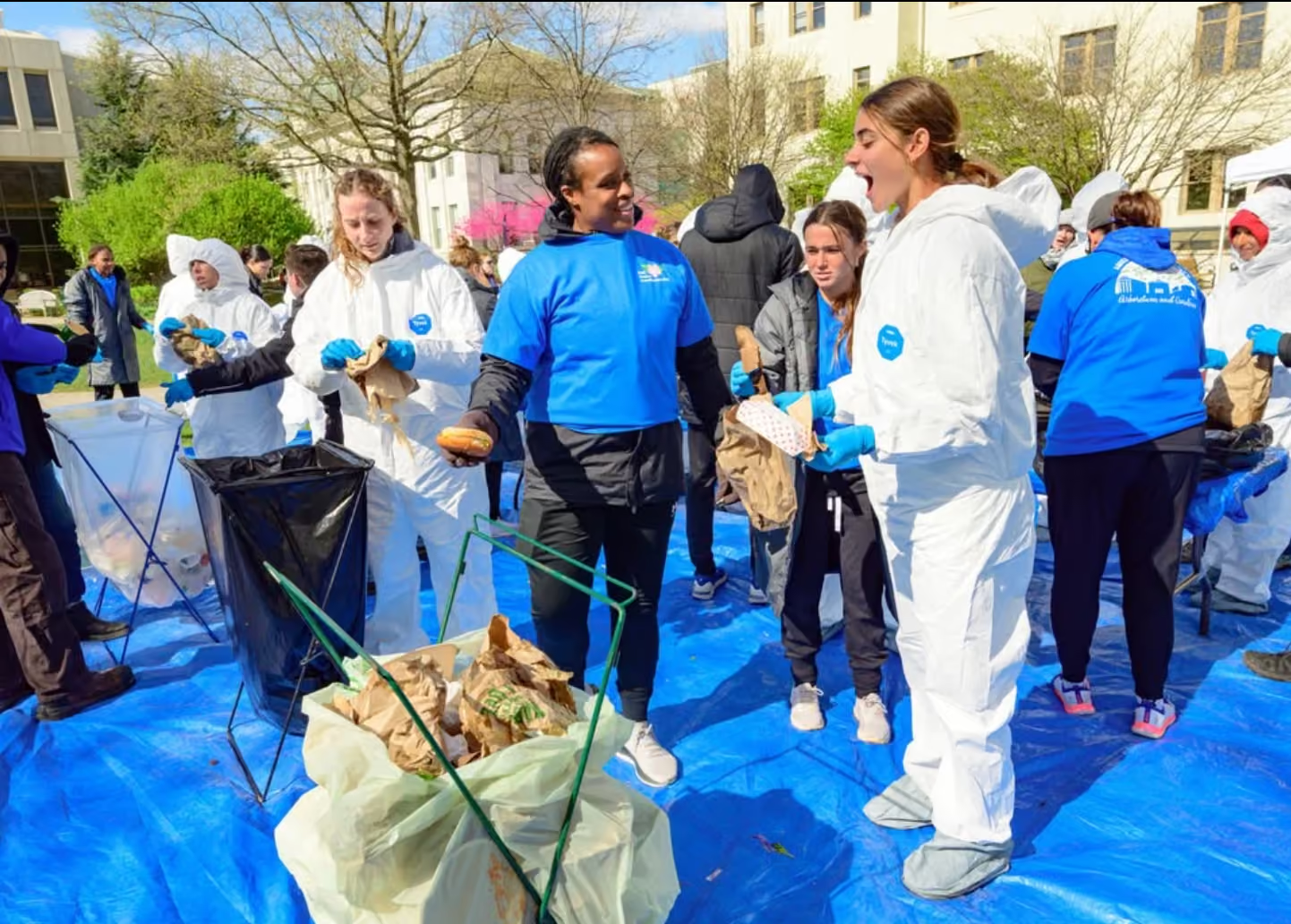
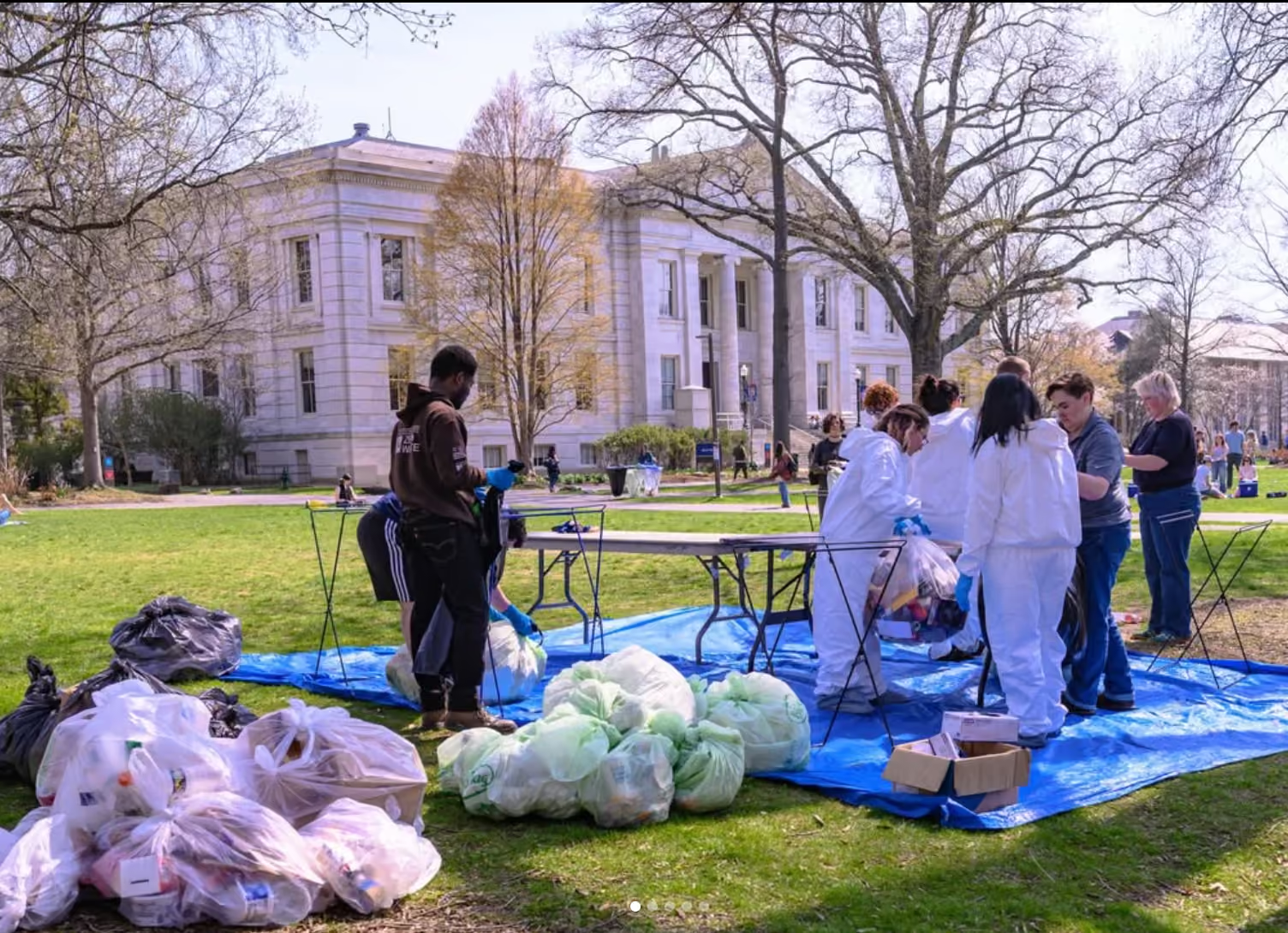
Spring 2026 audit of students and staff conducting a waste audit to gather data on waste sorting habits and sources of bin contamination!
Washington, DC I 11,321 students I Private | American's full Atlas Zero Waste Scorecard


